Why Do Different Cars Need Different Engine Oils?
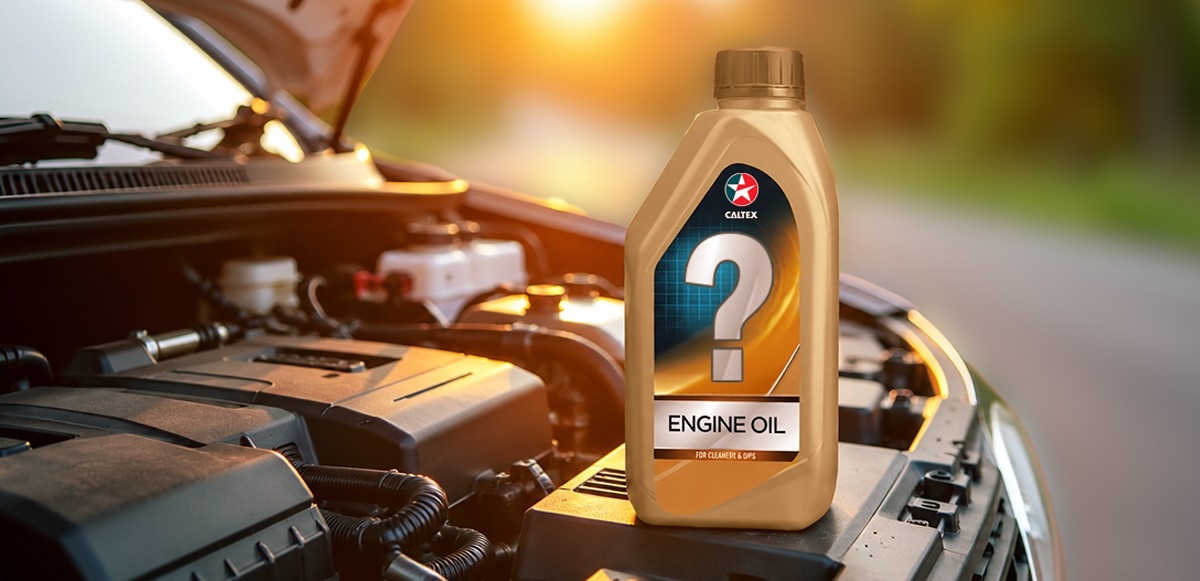
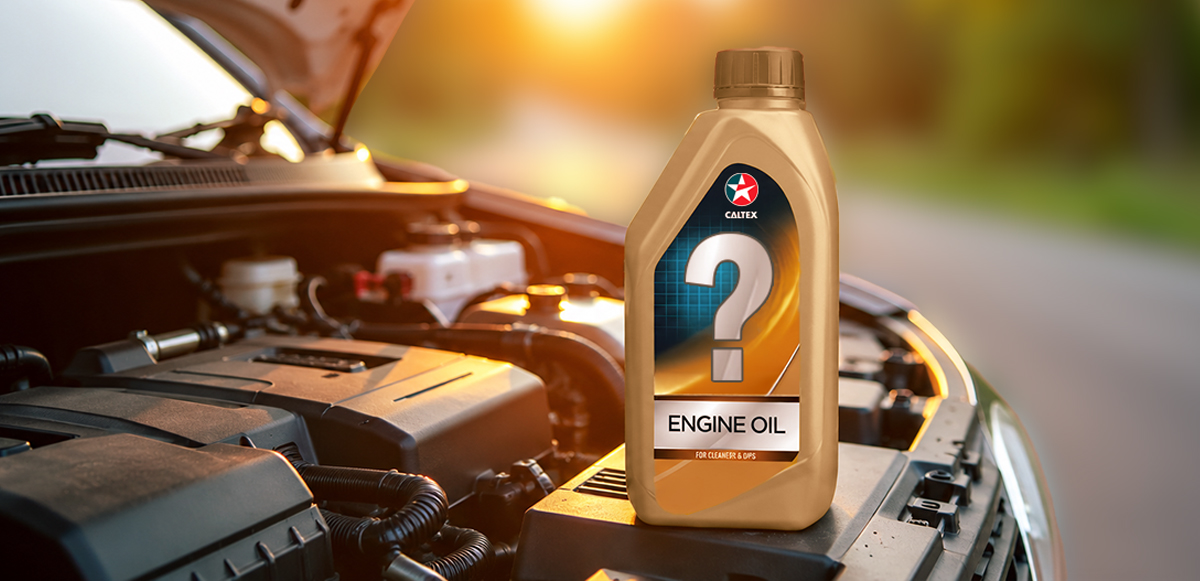
Walk into any auto parts store or browse a lubricants catalogue, and you'll likely notice something: there isn't just one type of engine oil. Instead, there's a wide range of viscosity grades, formulations, and specifications designed for different vehicles. This isn't a marketing gimmick; it generally reflects real differences in how engines are built and how they operate.
Choosing an engine oil that's well-suited to your vehicle type may help support engine performance and longevity over time. Here's a look at why SUVs, sedans, hybrids, and turbocharged engines often call for different oil considerations.
SUVs and Large Vehicles
Sport Utility Vehicles (SUVs), light trucks, and larger passenger vehicles are frequently designed to carry heavier payloads, navigate varied terrains, or accommodate towing requirements. These operational demands mean that their engines often run under higher sustained loads and experience elevated thermal pressures compared to smaller commuter cars.
To support these conditions, lubricants designed for larger vehicles often focus on high film strength and robust thermal stability. Under significant load, the oil film between moving metal components must resist thinning out. Advanced formulations help protect against premature mechanical wear during high-stress driving conditions, such as climbing steep inclines or driving in heavy stop-and-go regional traffic with a fully loaded cabin.
Sedans and Passenger Cars
Sedans and other passenger cars generally have smaller, lighter engines built for everyday commuting and city or highway driving. Compared to SUVs and trucks, these engines may not face the same level of mechanical stress, so manufacturers often specify lower-viscosity oils that can flow more easily, particularly during cold starts.
Lighter viscosity oils may also contribute to slightly improved fuel efficiency in some vehicles, since the engine may not have to work as hard to circulate oil through its components. This lower resistance may contribute to fuel-efficient operation in vehicles designed for lower-viscosity oils.
Hybrid Vehicles
Hybrid Electric Vehicles (HEVs) and Plug-in Hybrid Electric Vehicles (PHEVs) introduce a unique operational dynamic known as the intermittent start-stop cycle. Unlike a conventional internal combustion engine that warms up and stays at a relatively stable operating temperature during a trip, a hybrid engine frequently shuts off and restarts as the vehicle switches between electric and gasoline power.
This operational pattern presents distinct lubrication challenges. Because the gasoline engine may only run for short bursts, it often struggles to reach and maintain its optimal operating temperature. This can lead to moisture condensation and fuel dilution within the oil sump. Many lubricants recommended for hybrid applications are formulated for rapid circulation during frequent engine restarts, while certain lubricant formulations may incorporate additive technologies intended to help manage moisture and low-temperature deposit formation.
Turbocharged Engines
The automotive industry has seen a significant shift toward engine downsizing, where manufacturers replace larger naturally aspirated engines with smaller, turbocharged alternatives. Turbocharging allows a smaller engine to produce comparable or superior power by forcing extra air into the combustion chamber. However, this process generates intense heat and extreme internal pressures.
The turbocharger shaft itself can spin at high speeds and is directly exposed to hot exhaust gases. The engine oil is responsible for lubricating and cooling this incredibly hot bearing. If a lubricant lacks sufficient thermal oxidative stability, the extreme heat can cause the oil to break down or "coke," leaving behind harmful carbon deposits that can restrict oil flow and potentially lead to component damage. Many turbocharged engines are designed to use lubricants that provide strong oxidation stability, low volatility, and performance levels specified by the vehicle manufacturer.
Choosing the Right Oil for Your Vehicle
While these are general patterns across vehicle categories, the most reliable way to determine the right engine oil is to consult your vehicle's owner's manual, which typically outlines the manufacturer's recommended viscosity grade and performance specification. Driving conditions, climate, and usage patterns (such as towing, short city trips, or long highway drives) may also factor into the right choice.
At Caltex Lubricants, our Caltex Havoline range of engine oils is formulated to support the varied needs of different vehicle types and driving conditions. Exploring the right product for your specific vehicle can be a useful step toward supporting your engine's day-to-day performance.