Why Gas Engine Lubricants Matter In Critical Power Generation
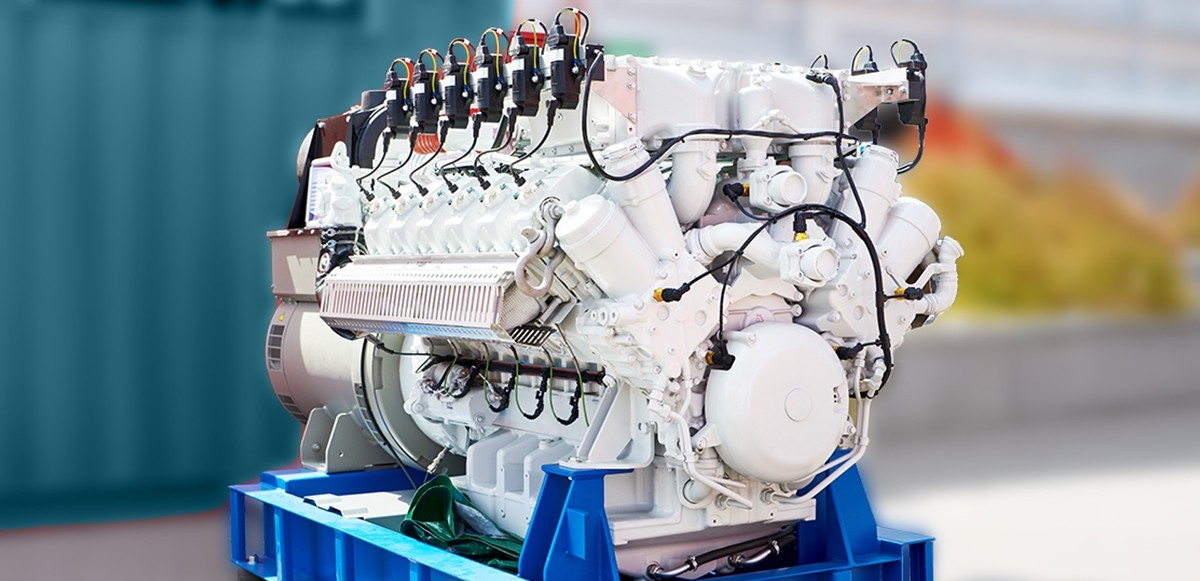
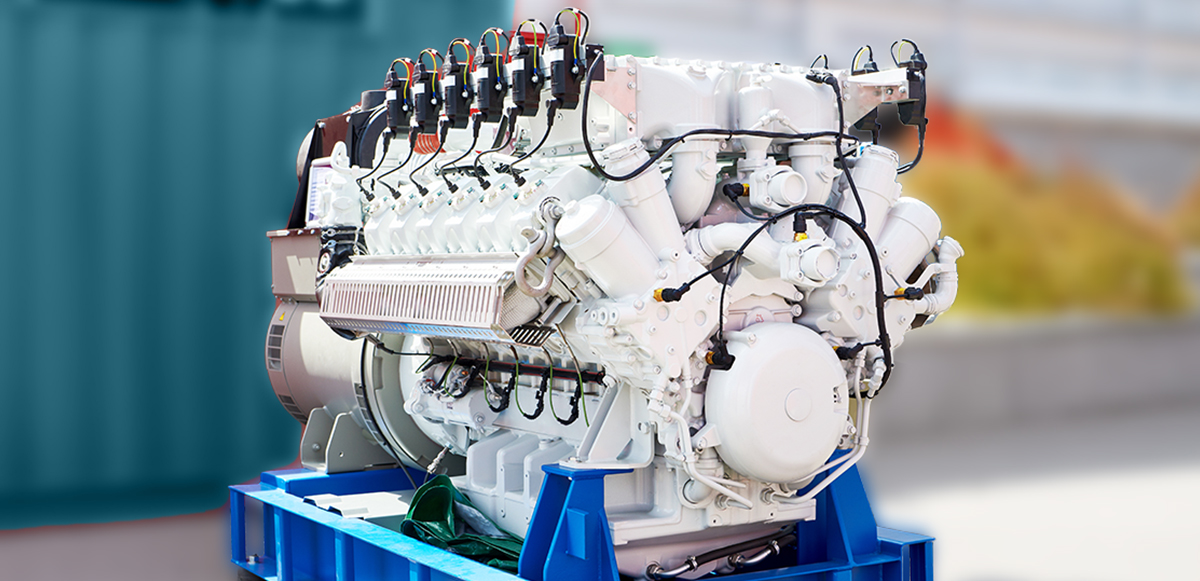
In critical power environments, reliability is not just an operational objective, it is a continuous requirement. Facilities such as hospitals, data centres, utilities, manufacturing plants, and remote operations depend on uninterrupted power generation to support essential systems and maintain operational continuity.
Among the many factors influencing gas engine performance in these environments, lubrication plays a significant technical role. Modern gas engine lubricants are designed not only to reduce friction and wear, but also to help manage deposits, oxidation, corrosion, and contamination under demanding operating conditions.
As stationary gas engines continue to support baseload, standby, peak shaving, and distributed power applications, lubrication strategies have become increasingly important to overall engine reliability and maintenance planning.
The Operating Demands of Critical Power
Critical power engines often operate under conditions that differ from conventional industrial applications. Some systems may run continuously for long periods, while others remain on standby and are expected to respond immediately during grid interruptions or emergency events.
These varying duty cycles can introduce several operational challenges, including:
- Frequent load fluctuations
- High operating temperatures
- Extended running hours
- Variable fuel quality
- Start-stop operating patterns
- Exposure to contaminants and combustion by-products
Over time, these factors can influence engine cleanliness, oil condition, component wear, and maintenance intervals.
In gas-powered systems, lubricant performance becomes closely linked to operational stability and equipment longevity.
The Role of Lubricants in Gas Engine Reliability
Modern gas engine oils are formulated to support multiple aspects of engine operation simultaneously.
Beyond lubrication alone, gas engine oils are engineered to help:
- Control oxidation caused by high thermal stress
- Reduce deposit formation on pistons and engine components
- Control nitration
- Protect against wear
- Support cleanliness in high-temperature engine environments
- Neutralize acidic compounds generated during combustion.
In stationary power applications, these characteristics can influence how consistently an engine performs over extended operating periods.
For operators managing critical infrastructure, maintaining stable lubricant performance can also support condition monitoring and preventive maintenance programs.
Fuel Quality and Lubrication Requirements
The growing use of alternative fuels in power generation has also increased the complexity of gas engine lubrication.
While many stationary engines continue operating on natural gas, others may use:
- Biogas
- Landfill gas
- Wastewater treatment gas
- Synthetic or blended gases
These fuels can vary significantly in composition and may introduce contaminants that affect combustion and lubricant condition.
For example, certain gases may contribute to:
- Higher oxidation levels
- Acidic compounds
- Increased deposit formation
- Faster lubricant degradation
In these environments, lubricant formulations are often designed to help manage the operating conditions associated with varying fuel quality.
This is one reason why lubricant selection is typically aligned with engine type, fuel source, operating profile, and OEM guidance.
Lubrication and Maintenance Strategies In many critical power operations, lubrication also forms part of a broader preventive or predictive maintenance strategy.
Oil analysis programs are commonly used to monitor lubricant condition and properties. Parameters typically monitored include:
- Oxidation
- Nitration
- Viscosity
- Wear metals
- Contaminants
These insights can help operators better understand equipment condition and plan maintenance accordingly to reduce downtime as well as total cost of ownership.
Supporting Modern Gas Engine Applications with Caltex HDAX
The Caltex HDAX portfolio is developed for stationary gas engines operating in applications such as power generation, CHP (Combine heat and power), and Oil & Gas.
HDAX gas engine oils are formulated to support modern engine requirements by addressing operational challenges commonly associated with gas-powered equipment.
Depending on the formulation and application, gas engine lubricants may be selected based on factors such as:
- Fuel type
- Ash content requirements
- Engine manufacturer specifications
- Oil drain interval targets
- Operating conditions
- Product availability
- Technical competence and services offered by supplier.
As gas engine technologies continue evolving, lubricant selection has become increasingly application specific.
Why Conduct a Gas Engine Oil AnalysisIn environments where power continuity is essential, the goal is not only to prevent failures but also to reduce unplanned down time.
Gas engine lubricants like Caltex HDAX provide the physical protection required under demanding operating conditions, while oil analysis provides the visibility needed to manage performance proactively.
Together, they support a more informed approach to:
- Engine reliability
- Maintenance planning
- Operational efficiency
- Long-term equipment health
As gas engines continue to play an important role in modern power systems supporting everything from baseload generation to renewable integration, the combination of advanced lubrication and condition monitoring becomes increasingly important.
Modern gas engine lubricants, supported by structured oil analysis programs, help operators better understand engine performance and manage reliability in critical power generation applications where downtime is not an option.