The Essential Guide to Lubrication Requirements in Gas Engine Power Plants
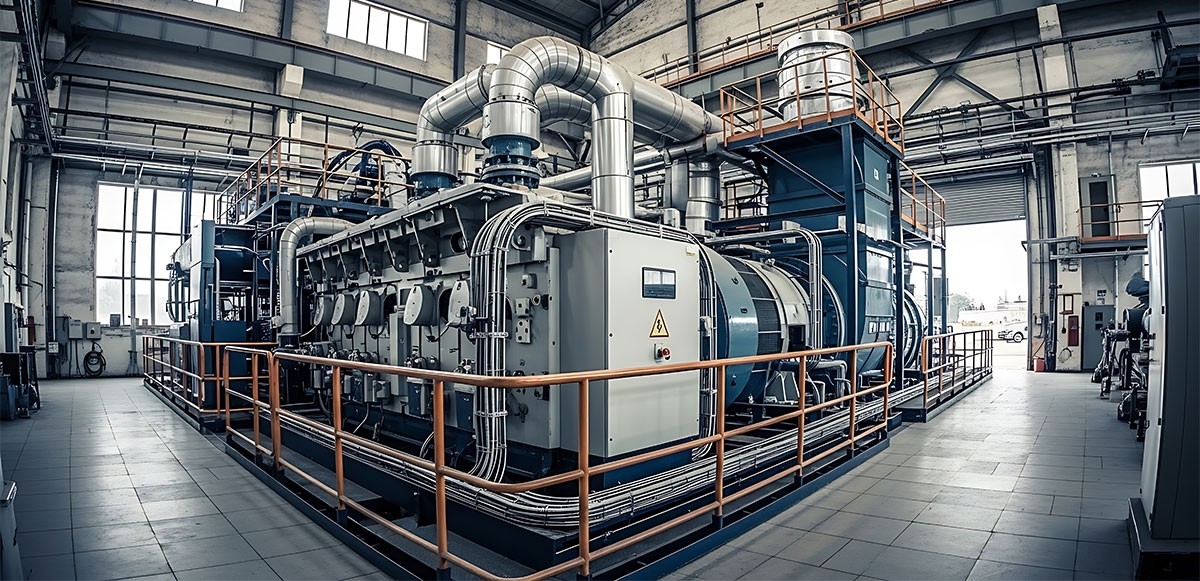
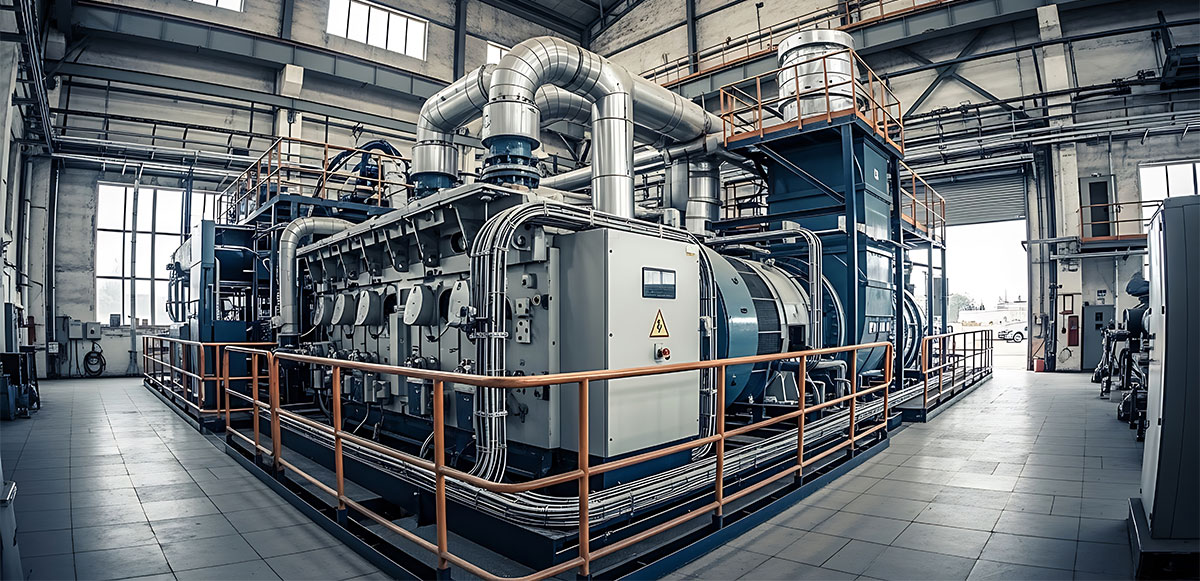
In the world of power generation, reliability is everything. As energy grids increasingly depend on natural gas engines for their ability to start up quickly and deliver consistent power, keeping those engines running smoothly is a non-negotiable priority. The key to this reliability lies not just in the machinery itself, but in the lubricant that protects it. Unlike standard diesel engines, gas engines, especially those running on alternative fuels, face a unique set of operating conditions that demand a specialized approach to lubrication.
This guide explores the critical lubrication requirements for gas engine power plants, the challenges posed by different fuel types, and how a proactive strategy, including regular oil analysis, can minimize downtime and reduce maintenance costs.
Understanding Gas Engine Operating Conditions
Gas engines in power generation applications are often base-load units, running continuously for extended periods. This creates severe operating conditions:
- High Thermal Stress: Constant operation at high temperatures accelerates oil oxidation and degradation.
- Combustion Byproducts: Gas combustion—whether from clean pipeline gas or contaminated biogas—produces water and acids that can severely damage engine components.
- Deposit Formation: Incomplete combustion or poor oil choice can lead to harmful deposits on valves, pistons, and in the combustion chamber, causing pre-ignition, knocking, and power loss.
The Critical Role of Low-Ash Lubricants
One of the most critical factors in gas engine lubrication is controlling ash content in the oil. High sulphated ash may cause deposit on spark plugs, cylinder heads, turbochargers, piston rings liners leading to cylinder polishing, valve torching, and potentially catastrophic pre-ignition.
While too low sulphated ash may lead to Valve seat wear / valve recession, short oil life, low base number retention, oxidation, sludge formation and viscosity increase.
This is why low-ash oils are formulated with optimal balance of sulphated ash to:
- Neutralize corrosive acids formed during combustion.
- Minimize deposit formation on valves and spark plugs.
- Protect critical components like valve seats from wear and recession.
Key Operational Challenges by Fuel Type
The type of fuel being used is the single biggest factor in determining the right lubricant. As highlighted in Chevron's power generation guide, each gas presents unique challenges and requires a specific oil formulation.
1. Pipeline Natural Gas
- Composition: Pipelines are the safest and most efficient way to supply natural gas. The primary component is methane, with smaller amounts of ethane, propane, and butane usually present. It is considered the cleanest-burning fuel.
- Lubrication Strategy: The primary goal with pipeline gas is to achieve long-term engine protection and maximize oil life. Because the fuel is relatively free of harmful contaminants, a high-performance, low-ash oil can focus on providing superior oxidation stability and wear protection.
- Recommended Product: HDAX 9200
- Alternative: HDAX 5200
2. Biogas (from digesters)
- Composition: Biogas is produced when organic materials (plant and animal products) are broken down by bacteria in an oxygen-free environment. While it contains methane, it also contains large quantities of hydrogen sulfide (H2S), classifying it as a sour gas.
- Lubrication Strategy: H2S combusts to form highly corrosive sulfuric acid. This leads to rapid acid build-up in the oil. An oil with a very high acid-neutralizing capacity (high TBN) is required to combat these corrosive threats and protect engine components.
- Recommended Product: HDAX 9500
- Alternative: HDAX 6500
3. Landfill Gas
- Composition: Landfill gas typically contains 40-60% methane but, like biogas, is loaded with a significant number of contaminants. A key threat is siloxanes, which originate from waste materials like industrial waste and personal care products buried in landfills.
- Lubrication Strategy: Siloxanes combust into silicon dioxide, which is essentially sand. This forms extremely abrasive deposits that can destroy pistons, cylinders, and valves. An oil like HDAX 9500 is specifically formulated to handle these high contaminant loads, keeping harmful particles in suspension and preventing abrasive wear.
- Recommended Product: HDAX 9500
- Alternative: HDAX 6500
4. Dual-Fuel Engines
- Composition: These engines operate on two fuels, typically diesel and natural gas, and may also use varying blends of biodiesel, biogas, landfill gas, or other gaseous fuels. Their main advantage is the flexibility to switch between fuels without interrupting power generation. They can also operate on gas or HFO when gas fuel is unavailable, avoiding the need for a separate engine dedicated to HFO operation.
- Lubrication Strategy: The lubricant must be versatile enough to handle the combustion characteristics and byproducts of both fuel types (Gas / Diesel). This requires a robust, high-performance formulation that can provide protection under varying and often demanding fuel conditions.
- Recommended Product: HDAX 9700
- Alternative: HDAX 5200
NOTE: if dual-fuel engine needs to operate continuously on HFO with high sulphur sump oil must be changed and Taro XL product is recommended to use.
Essential Engine Oil Requirements for Gas Engines
To address these challenges, gas engine oils must meet several essential performance requirements:
- Excellent Oxidation and Nitration Resistance: Helps prevent oil thickening and the formation of harmful sludge and varnish caused by high temperatures, oxidation and nitrogen byproducts.
- Acid Neutralization (TBN): Requires sufficient Total Base Number (TBN) to neutralize strong acids, particularly those produced from sour gases such as biogas and landfill gas.
- Low Ash Formulation: Helps reduce deposit-induced pre-ignition (DIP) and spark plug fouling.
- Wear Protection: Maintains a strong lubricating film to protect valve trains, piston rings, and cylinder liners during continuous heavy-load operation.
The Importance of Regular Oil Analysis
In power generation, an oil change is more than routine maintenance; it is a strategic decision. Oil analysis provides the insight needed to optimize that decision. Regular sampling and analysis can:
- Monitor Oil Condition: Track key parameters such as viscosity, oxidation, nitration, and TBN to assess remaining oil life.
- Detect Contamination: Identify water, coolant, or harmful contaminants such as silicon from siloxanes before they cause serious damage.
- Extend Drain Intervals Safely: Use oil condition data to extend drain intervals with confidence, reducing waste and operating costs.
- Prevent Unplanned Downtime: Detect abnormal wear metals early so issues can be investigated and corrected before they lead to major engine failure or plant shutdown.
Beyond Oil: The Vital Role of Coolants
The cooling system is another essential part of industrial engine protection. Like engine oils, modern coolants use increasingly advanced chemistry and additive packages to help prevent corrosion, cavitation, and scale formation. Over time, these additives can become depleted or contaminated, reducing their effectiveness. For this reason, regular coolant condition monitoring should be an integral part of the maintenance program to help prevent unexpected cooling system failures.
Conclusion
Lubricating a gas engine power plant is a complex but essential responsibility. The correct lubricant choice depends on the fuel type, operating conditions, and specific engine challenges involved. By understanding risks ranging from clean pipeline natural gas to highly contaminated landfill gas—and selecting a specialized low-ash lubricant from the HDAX series—you can help protect critical assets and improve reliability. When combined with a disciplined oil analysis program and proper coolant management, including advanced solutions such as Delo ELC, Delo XLC and Delo ELI, this approach supports reliable, continuous engine performance.