Understanding The Role Of Ash In Stationary Natural Gas Engines
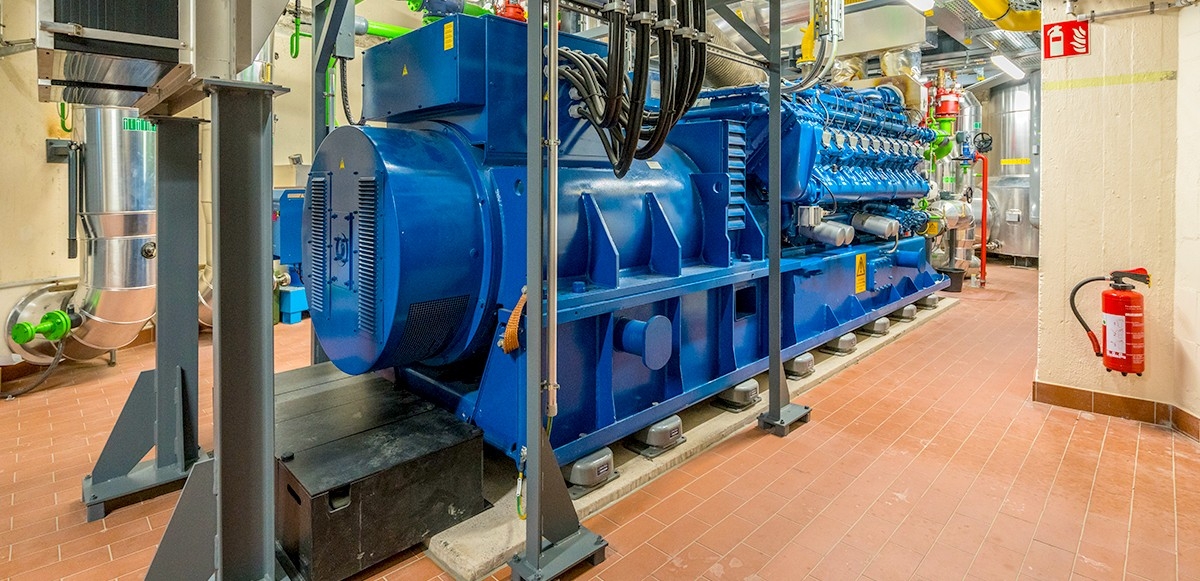
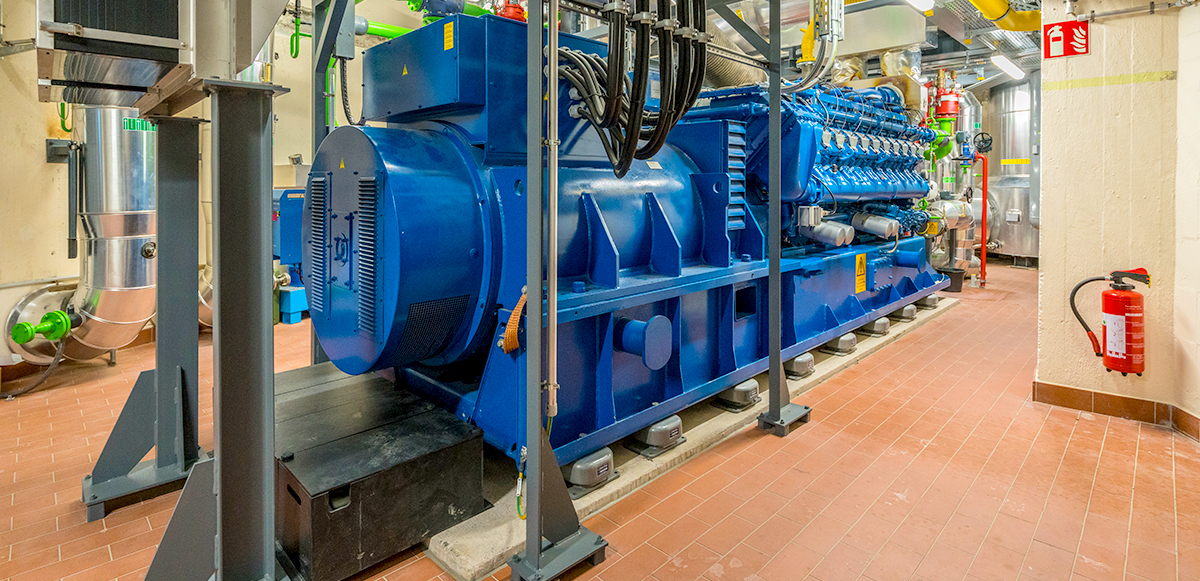
Stationary natural gas engines are the workhorses of power generation across many industries, providing reliable energy whether for continuous operation, cogeneration, or standby power. The long-term efficiency and reliability of these assets heavily depend on the engine oil. When choosing a lubricant for these demanding applications, operators frequently encounter the term "ash content." Selecting the right ash level—whether ashless, low-ash, or medium-ash—is not just about compliance; it's about balancing engine needs to maximize component life and performance. Here is a deep dive into the role of ash and why low-ash gas engine oils are often the ideal choice for modern stationary power generation.
What Is Ash?
To understand low-ash oils, we must first understand ash itself. Ash is not a contaminant; it is essential metallic additives deliberately formulated into the engine oil. The source of these additives is Calcium, primarily from detergent additives crucial for neutralizing acids and maintaining engine cleanliness, and Zinc, typically from anti-wear additives.
Ash has a critical, positive role, particularly in four-stroke engines: It acts as a cushion. A small, desirable layer of ash between the exhaust valve face and its seat reduces direct metal-to-metal contact. This is vital for mitigating valve recession, a condition where continuous contact causes the valve seat to wear down, leading to improper sealing and ultimately shortening the life of the components. However, this benefit quickly turns into a major problem when the ash accumulation is excessive.
Why High Ash Is A Problem
When too much ash accumulates in the combustion chamber, it can lead to catastrophic engine failures. Excessive deposits on the valve seat can break off, preventing the valve from seating properly. This creates a leak path for extremely hot exhaust gases to rush through the gap, which can literally burn or "gutter" the valve face, resulting in a total loss of compression and power. Furthermore, ash deposits on the piston crowns and combustion chamber walls can become glowing hot spots, leading to uncontrolled ignition of the air/fuel mixture (pre-ignition). This condition can cause severe engine damage and excessive ash can also foul spark plugs. Operators often don't realize that running a gas engine at partial or less than full throttle can increase the rate of ash buildup, exacerbate deposit-related issues and further reduce cylinder head life.
The Low-Ash Solution for 4-Stroke Engines
For most four-stroke stationary natural gas engines—especially lean-burn and high-output units, a low-ash formulation provides the optimal balance. These oils are engineered to provide just enough ash to protect against valve recession while ensuring deposits are kept at an absolute minimum. A high-performance low-ash oil, such as Caltex's HDAX 7200 Low Ash Oil SAE 40, is designed to deliver key benefits under high-load and high-temperature conditions.
By controlling deposit levels, it minimizes the risk of pre-ignition and spark plug fouling. It offers outstanding protection against piston, ring, and liner wear. Its improved oxidation and nitration resistance ensures long oil life and provides flexibility in maintenance scheduling. Furthermore, it is formulated to be compatible with Non-Selective Catalytic Reduction (NSCR) systems and is suited for installation requiring low phosphorus oil to help prevent exhaust catalyst poisoning, a key consideration for meeting environmental regulations.
Making The Right Decision For Your Operation
Choosing the correct oil is not a generic decision; it must be tailored to your specific engine type and operating profile. The fundamental rule of thumb is that two-stroke engines almost always require an ashless oil. Even minimal ash can quickly clog the exhaust and intake ports in a two-stroke design, leading to failure.
For four-stroke engines, the decision is more nuanced. A low-ash oil is typically the best choice to mitigate valve recession while managing deposit buildup. However, if your engine runs consistently at partial loads—a condition that promotes ash accumulation—an ashless oil might be recommended by your OEM to extend cylinder head life. The engines' make; model, fuel quality, and duty cycle all influence the final choice.
In Conclusion
The most critical step in choosing your engine oil is always consultation. Review your engine's official OEM recommendations rigorously. Engage with a lubrication specialist like Caltex for a Best-in-Class Assessment to analyse your specific application and navigate the approvals and requirements for major engine brands like Waukesha, INNIO Jenbacher, Caterpillar, Wartsila and MTU to ensure your oil selection safeguards your engine's performance and longevity.
Ultimately, selecting the right low-ash gas engine oil is a proactive investment in reliability. By understanding the science of ash and choosing a product engineered for balance, you protect your engine from the twin threats of valve recession and harmful deposits. This informed decision minimizes unplanned downtime, maximizes operational efficiency, and ensures your stationary power generation assets deliver power reliably for years to come. Always confirm that your final product selection aligns perfectly with your equipment manufacturer's guidance for your specific operating conditions.