How To Pick Engine Oil For Hot And Cold Weather
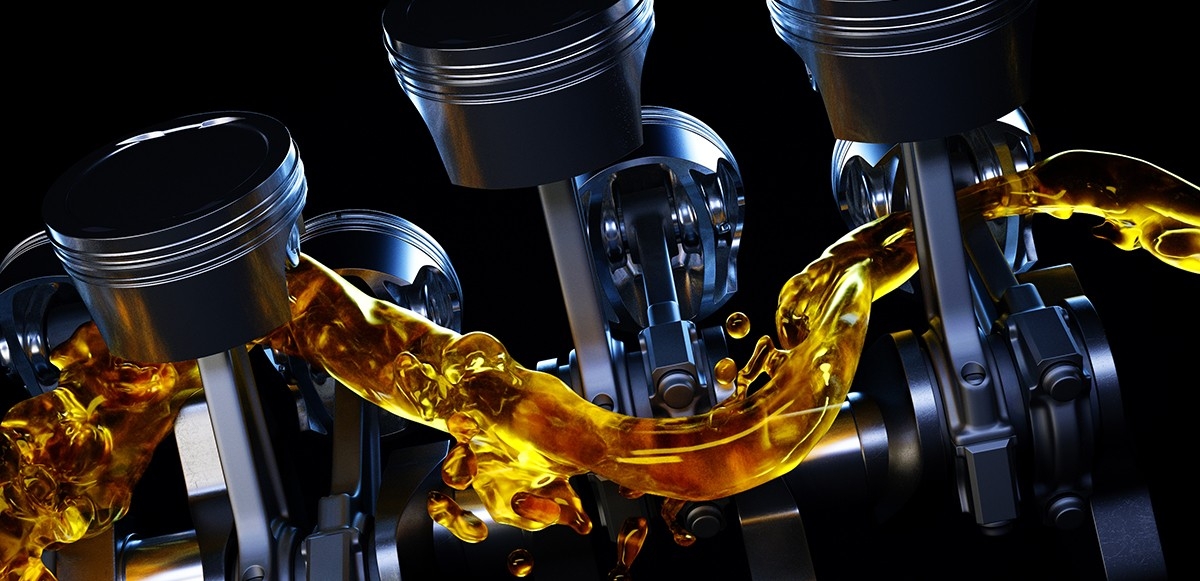
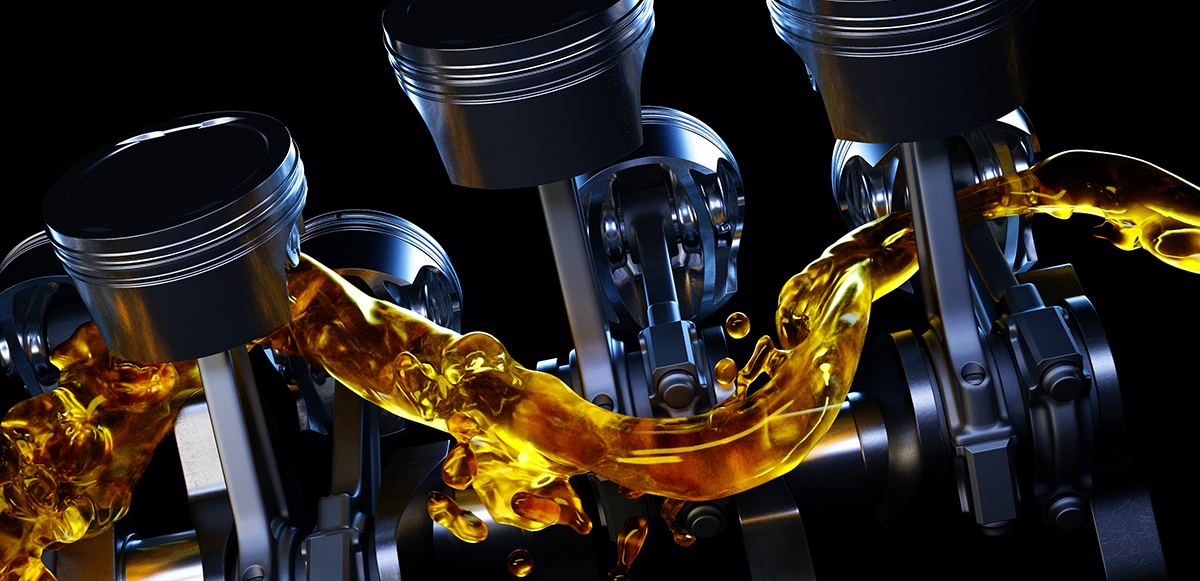
Your engine oil is not a one-size-fits-all fluid. Its primary job is to maintain a protective film between metal components under vastly different conditions. The most critical variable affecting its performance is temperature. Choosing incorrectly can lead to accelerated wear, reduced efficiency, and even engine damage.
How Heat Affects Your Engine and Oil
Internal combustion creates extreme temperatures. The cooling system and engine oil are designed to manage this constant, intense thermal load, maintaining a stable operating temperature for optimum efficiency.
Hot weather pushes an already thermally stressed system closer to its limits. When the temperature outside is higher than an ambient degree, its ability to carry away heat is significantly reduced. This adds a substantial heat soak, making it harder for the cooling systems to do their job. The result is that the engine and oil operate at a higher average temperature, which accelerates the following critical forms of degradation:
- Viscosity Breakdown: Excessive heat may lead to oil thinning. When this happens, it cannot maintain a sufficient lubricating film between critical components like piston rings and cylinder walls, or camshafts and lifters. The direct result is increased friction, accelerated wear, and a loss of engine compression and power. In severe cases, it can lead to catastrophic engine seizure.
- Oxidation: High temperatures dramatically speed up the oil's chemical reaction with oxygen and creates harmful oxidation by-products. Pro-long oxidation leads to formation of corrosive acids, varnish, and sludge. The consequences are dire: sludge can clog vital oil passages, starving components of lubrication; varnish gums up piston rings and lifters; and acids attack bearing surfaces, leading to premature failure.
- Volatility: Heat causes the lighter, more volatile molecules within the oil to evaporate. This leads to two main problems: first, increased oil consumption as these vapours are burned off; second, the remaining oil becomes thicker and more concentrated with heavier molecule components. This increases viscosity, hampers flow and leads to severe oxidation process.
Simply put, your engine oil must not only manage the engine's inherent heat but also resist thinning and chemical degradation under this additional pressure of hot weather. Using an oil not designed for this stress is a primary cause of summertime engine failures.
Choosing the Best Oil for Hot Weather
For hot climates, focus on the second number in the viscosity grade (e.g., the 40 in SAE 10W-40). This number indicates the oil's thickness at 100°C (212°F), the standard operating temperature of your engine.
Best Grade of Oil for Hot Weather and Benefits:
Common Recommendation: SAE 5W-30, SAE 5W-40, or SAE 20W-50.Most modern cars are well-suited to oils like Caltex Havoline Fully Synthetic SAE 5W-30. However, for severe heat, sustained high-speed driving, or older, high-mileage engines with wider tolerances, moving to an oil like Caltex Havoline Synthetic blend SAE 10W-40 provides a thicker film at high operating temperatures for superior protection.
Oils like Caltex Havoline Formula SAE 20W-50 is typically reserved for high temperature conditions.
Key Benefit:
A higher second number (e.g., 40 vs. 30) ensures the oil maintains its protective viscosity under intense thermal load, preventing wear.
How Cold Weather Affects Your Engine
The impact of cold weather on an engine is often misunderstood. It's not just about extreme, freezing conditions. Even mildly cooler temperatures, like those experienced during desert nights or seasonal shifts, present a significant challenge because the fundamental issue remains the same: oil thickens as it cools. On a freezing morning, engine oil can become a viscous gel, but even a drop from 30°C to 10°C may cause a substantial increase in viscosity that your engine must overcome.
- Restricted Lubrication: Overly thick oil resists being pulled from the sump and pushed through narrow oil galleries. This delay means vital components—like the camshaft, crankshaft, and turbocharger bearings—are starved of lubrication during the most critical period: startup. The thicker the oil, the longer this damaging dry-running period lasts, directly leading to accelerated wear on these essential components.
- Severe Strain on Starting System Components: Before any lubrication can occur, the engine must turn over. Cold, thickened oil creates immense resistance against the moving parts. This places a severe strain on the battery, forcing it to deliver a much higher current to the starter motor.
- Reduced Engine Efficiency and Increased Fuel Consumption: Until the engine and oil reach their optimal operating temperature, the internal friction remains high. The engine control unit (ECU) compensates for this by injecting more fuel to maintain idle and performance, leading to a noticeable period of reduced fuel efficiency and higher emissions until the vehicle is fully warmed up.
In essence, the right oil in cold weather is critical to minimizing this high-wear period and reducing unnecessary strain on your vehicle's electrical and mechanical systems.
How to Choose the Best Oil for Cold Weather
Focus on the "W" which stands for "Winter." The number preceding it (e.g., the 5 in SAE 5W-30) indicates the oil's flow characteristics at low temperatures. A lower number flows better in the cold.
Best Grade of Oil for Cold Weather:
For Freezing Climates: SAE 0W-20 or SAE 5W-30. These oils are formulated with advanced synthetic base stocks to remain remarkably fluid. A SAE 0W-20 oil will flow significantly faster at -20°C than a SAE 10W-30 oil, providing near-instant lubrication on a cold start.
A Critical Note on "Cold" in Regions like the UAE
It’s a common misconception. While winters in the UAE or similar Gulf regions are not freezing, temperatures can drop to a "cool" 10-15°C at night. This is not cold enough to require a SAE 0W oil for startability. However, the principle remains: you want the oil to flow quickly to protect the engine.
For these "mild winter" conditions, the standard factory-recommended viscosity (often SAE 5W-30 or SAE 5W-40) is perfectly adequate. The key is using a high-quality full-synthetic oil. Synthetic oil, by its nature, has a naturally broader fluidity range and provides superior protection during the initial start-up compared to conventional oil, regardless of the ambient temperature.
Ultimately, the correct oil is your engine's first and best defence. Matching its properties to your environment is a simple, yet critical, decision for ensuring longevity and performance. Consult your owner’s manual first, understand your climate, and choose accordingly. For most drivers, especially those in regions with variable seasons or mild winters, the solution is unequivocal: a high-quality full-synthetic oil in the manufacturer-recommended viscosity grade. Synthetic technology inherently provides a wider operating range, superior flow characteristics in the cold, and exceptional resistance to thermal breakdown in the heat.