How the right Grease Selection and Application can reduce your Total Ownership Costs (TCO)
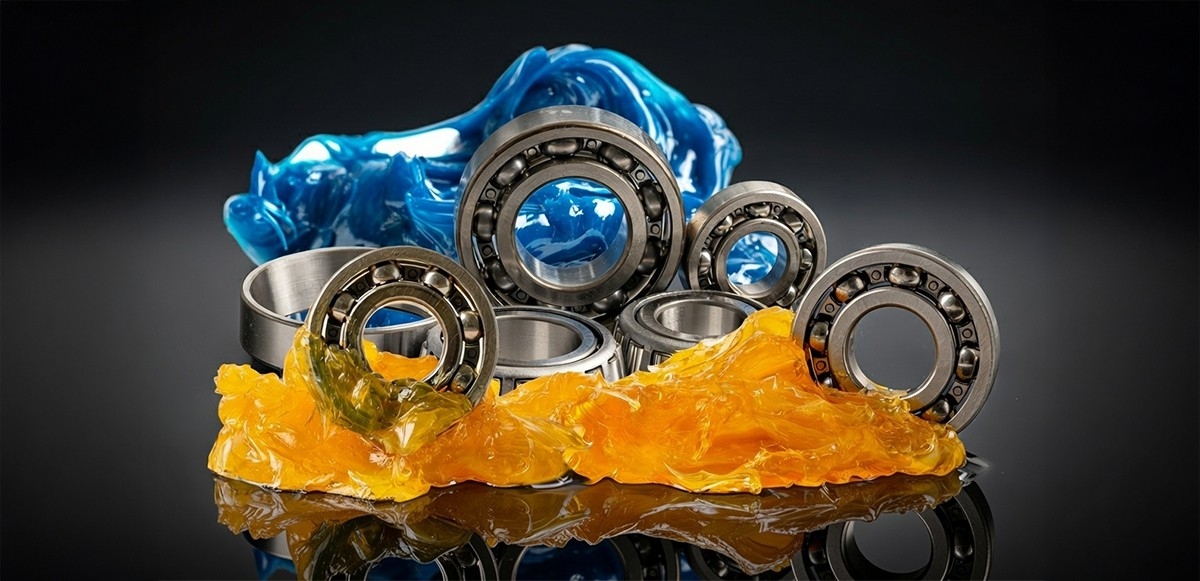
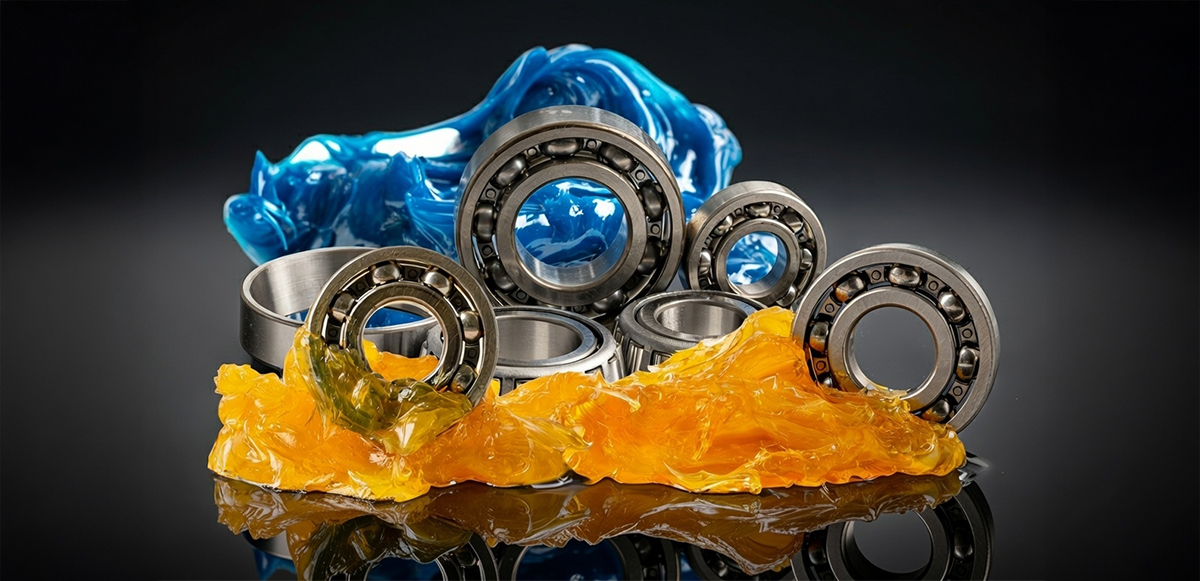
When people think about maintenance costs for heavy equipment, grease is usually an afterthought — compared with fuel, oil, or parts, it seems insignificant. But that mindset is a trap. The grease you choose — and how you use it — can dramatically influence how much your machines really cost over their lifetime.
Why Grease Matters More Than You Think
- Grease protects expensive components. While grease itself maybe inexpensive, it safeguards parts such as bearings, pins, bushings, swing arms — components that, if damaged, may cost thousands or even tens of thousands of dollars to repair or replace. Skimping on grease or using the wrong type only to save a few dollars can end up costing much more in downtime and part replacement.
- Grease reduces wear, contamination and shock damage. Moving or heavy-load equipment operates under constant stress, vibration and often shock. Proper grease acts as a protective film: it cushions impacts, reduces friction, and shields critical parts from dirt, water and other contaminants. That protection helps prevent corrosion, wear and premature component and equipment failures.
- Good grease extends service intervals. Quality greases are formulated to stay in place — resisting washout, breaking down slowly, and maintaining effectiveness even under temperature swings or heavy loads. That means you don’t have to re-grease as frequently, which reduces lubricant consumption and labor costs.
The Hidden — and Not-So-Hidden — Costs of Poor Greasing Practices
Using subpar grease, applying it incorrectly, or neglecting maintenance can lead to a host of hidden costs:
- More frequent breakdowns and unplanned downtime. Poor lubrication lets friction, wear, and contamination build up — which in turn leads to unexpected failures. Each failure can bring operations to a halt, costing hours or days of lost productivity.
- Higher repair and replacement bills. Bearings, pins, bushings, and other components subject to heavy stress can wear out faster when not properly lubricated. That means more frequent part changes — which are expensive, not only in parts cost but also downtime, labor, and potential equipment damage.
- Wasted grease and labor costs. Over-greasing is a real danger. Too much grease can build pressure, rupture seals, attract dirt, and even lead to overheating. Over-greasing can cause seals to fail — introducing contaminants — or lead to wasted grease that needs disposal.
- Reduced energy or fuel efficiency / increased operational costs. When components are not lubricated correctly, friction and drag increase, making machinery work harder — which consumes more energy or fuel, reducing overall efficiency and increasing operational expenses.
In sum: what seems like a small saving quickly snowballs into far greater costs.
How the Right Grease Strategy Lowers Total Cost of Ownership (TCO)
Adopting a smart lubrication strategy — choosing suitable grease, applying it correctly, and aligning maintenance schedules with equipment use — can meaningfully reduce total ownership costs. Here’s how:
- Lower grease consumption and waste. High-performance greases tend to stay effective longer, potentially reducing the frequency of re-application. That leads to savings on grease volume and labor.
- Fewer component replacements and longer asset life. Proper grease reduces wear — letting bearings and joints reach their intended service life rather than wearing out early. That saves on parts costs and delays major maintenance or rebuilds.
- More uptime and higher productivity. With fewer breakdowns and unscheduled repairs, machines spend more time working. That boosts output and avoids costly project delays.
- Predictable maintenance and reduced reactive costs. By integrating grease selection and lubrication into preventive maintenance (PM) programs — rather than relying on reactive fixes — you bring structure and predictability to maintenance costs. No surprises, no emergency repair bills.
- Better environmental and waste management outcomes. With less grease wasted, fewer disposal needs, and less contamination, a well-managed lubrication program can also align with sustainability goals and reduce environmental impact.
How to Build a Smart Grease Strategy
Here are key principles to keep in mind when developing a grease-management plan:
- Don’t treat grease as a commodity: Not all grease is equal. Evaluate formulation, performance specs (temperature range, load-bearing capability, contamination resistance) and suitability for the exact application.
- Match grease type to equipment demand: Heavy-load, low-speed joints need different grease than high-speed bearings or temperature-sensitive components. Tailor the grease to load, speed, environment, and expected duty cycle.
- Apply grease correctly — not too much, not too little: Over-greasing and under-greasing both carry risks: seals can be damaged by over-greasing, or bearings can wear prematurely from under-greasing. Use correct intervals and quantity.
- Integrate lubrication into preventive maintenance (PM): Grease decisions should be part of a broader Preventive Maintenance (PM) program. Track key indicators like grease consumption per period, bearing life, downtime, and maintenance frequency. Use that data to refine grease choice and lubrication schedule.
- Maintain cleanliness and proper handling: Cleaning grease guns, proper storage (cool, dry), and clean application points reduce the risk of contamination — which can undermine even the best grease.
Why Caltex Greases and Caltex LubeWatch™ Matter for Your Business
Choosing the right grease is only half the story. To truly control ownership costs, you need both high-performance lubrication and data-backed monitoring — and that’s where Caltex delivers a major advantage.
Caltex greases are engineered to stay in place under extreme loads, resist water washout and protect against corrosion. Whether your fleet operates in construction, transport, manufacturing, or heavy industrial environments, Caltex greases help extend component life, reduce wear, and minimise unplanned downtime — all of which directly lower your total cost of ownership.
But lubrication is most powerful when it’s measured. The Caltex LubeWatch™ Oil Analysis Program gives businesses real visibility into equipment health. Through regular sampling and laboratory analysis, LubeWatch helps you:
- Detect early signs of wear before they turn into costly failures
- Optimise grease and lubricant change intervals
- Prevent contamination-related damage
- Improve equipment reliability and uptime
- Make data-driven maintenance decisions that save money
By combining premium Caltex greases with Caltex LubeWatch, businesses get a complete lubrication strategy that protects assets, reduces maintenance spend, and enhances long-term operational efficiency.