Common Causes Of Bearing Failure And How To Prevent Them
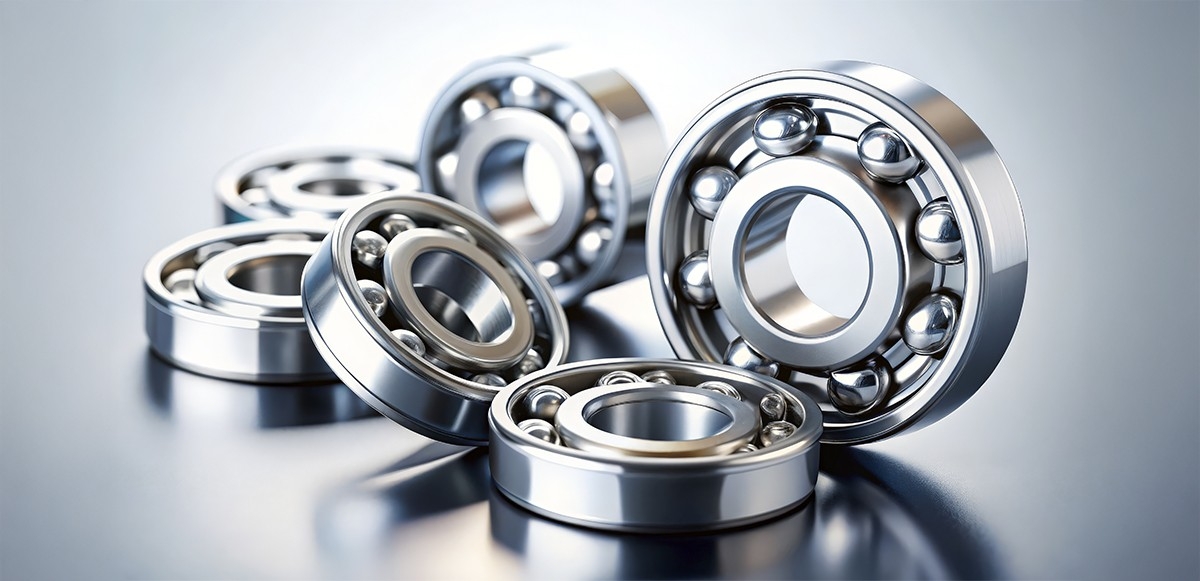
In the world of industrial machinery, few components are as critical as the rolling-element bearing. These precision parts carry loads, reduce friction, and enable the smooth rotation that powers modern industry. However, when a bearing fails, the consequences are often severe: unplanned downtime, costly repairs, and significant collateral damage.
The critical insight from reliability engineering is that most bearing failures are preventable. They are typically not random events but the result of specific, addressable issues. This guide dissects the top causes of bearing failure and translates that knowledge into a practical prevention strategy.
1. Improper Lubrication
The Cause: Lubrication serves as the lifeblood of a bearing and prevents metal-to-metal contact and dissipates heat. Improper lubrication manifests in several ways:
- Insufficient Lubrication: Inadequate grease or oil leads to increased friction, overheating, and rapid wear.
- Over-Lubrication: Excessive grease causes churning, which generates destructive heat and can damage seals.
- Incorrect Lubricant: Using a grease or oil with the wrong viscosity or performance requirement for the application's needs, temperature, or load will lead to inadequate lubrication, resulting in increased friction, excessive heat, accelerated wear, and ultimately, premature bearing failure.
- Contaminated Lubricant: The presence of water, dust, or other solid particles acts as an abrasive, accelerating wear.
Prevention Strategies:
- Establish a Lubrication Schedule: Implement a proactive, condition-based lubrication program instead of a reactive approach.
- Select the Correct Lubricant: Adhere to OEM specifications for lubricant type and viscosity. Advanced synthetic lubricants are often beneficial in extreme conditions.
- Prioritize Cleanliness: Use dedicated, clean tools and ensure storage containers are sealed to prevent contamination.
- Monitor Levels: Maintain proper oil levels or use technologies to determine optimal grease fill volumes.
2. Contamination
The Cause: Bearing interiors are manufactured to microscopic tolerances. The introduction of even tiny particles of dirt, dust, or moisture can be devastating, causing abrasive wear and lubricant degradation. Contamination typically enters through damaged seals, improper handling, or poor storage conditions.
Prevention Strategies:
- Maintain Seal Integrity: Regularly inspect and replace damaged seals and shields. Upgrade to more robust sealing solutions in challenging environments.
- Practice Meticulous Handling: Store bearings in their original packaging in a clean, dry environment until installation.
- Ensure a Clean Work Area: Perform bearing installation in a clean environment, thoroughly cleaning the housing and shaft before assembly.
3. Improper Installation and Handling
The Cause: A significant percentage of premature failures stem from incorrect installation practices.
- Brute Force: Using impact tools like hammers or pressing on the incorrect ring can cause immediate indentations.
- Misalignment: Forcing a bearing onto a misaligned shaft or into a housing creates high stress points, leading to premature fatigue.
- Imprecise Fits: Incorrect tolerances between the bearing and its housing or shaft prevent the component from functioning as designed.
Prevention Strategies:
- Use Proper Tools: Utilize appropriate bearing installation tools, such as induction heaters for shrink fits and arbor presses for applying controlled, even force.
- Follow Correct Procedures: Always press on the ring with the interference fit (inner ring for shaft fits, outer ring for housing fits).
- Verify Alignment: After installation, check shaft and housing alignment to ensure it is within specifications.
4. Material Fatigue: The Predictable End-of-Life
The Cause: Material fatigue is the only normal mode of failure. After a long period of operation under load, sub-surface cracks develop and eventually propagate to the surface, causing spalling—where small pieces of material break away from the raceways. While inevitable, fatigue is highly predictable and should occur only after the bearing's calculated design life.
Prevention Strategies:
- Ensure Proper Sizing: Select bearings that are correctly sized for the actual operational loads. Overloading dramatically shortens fatigue life.
- Implement Predictive Maintenance: Use vibration analysis and oil analysis to monitor bearing condition. These tools can detect early-stage fatigue, allowing for planned replacement during scheduled shutdowns.
5. Misalignment: The Twisted Path to Failure
The Cause: When the inner and outer rings of a bearing are not parallel, load distribution becomes uneven. This concentration of stress leads to elevated temperatures, increased vibration, and rapid wear, often identified by a characteristic wear pattern on the raceways.
Prevention Strategies:
- Prioritize Precision Installation: Exercise extreme care during installation to avoid misaligning the bearing.
- Inspect Shaft and Housing: Before installation, verify that the shaft and housing are not bent or worn.
- Select Appropriate Bearings: In applications where misalignment is difficult to control, specify self-aligning ball bearings or spherical roller bearings.
By understanding these common causes of failure and adhering to these fundamental prevention strategies, maintenance teams can significantly increase machine uptime, reduce costs, and enhance operational reliability. The key is to shift from a reactive to a proactive maintenance mindset.